

TL;DR
In Austin, most residential fences can be up to 6 feet tall along property lines, though visibility and safety restrictions apply. Corner lots, retaining walls, and fences near easements are subject to stricter limits. Building too close—or over—the property line can result in fines or disputes. Always check city codes, HOA restrictions, and property surveys before construction to stay compliant.
Why Fence Regulations Matter in Austin
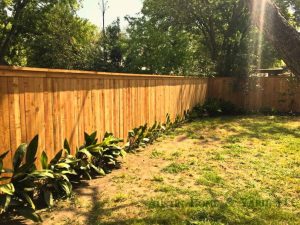
Austin’s fencing regulations protect both property rights and public safety.
Homeowners often assume they can build as tall or as close to the boundary as they like — but the City of Austin’s Development Services Department (DSD) has specific rules on height, placement, and visibility.
Ignoring these can lead to:
- City fines and violation notices
- Forced fence removal or modification
- Neighbor disputes and property line conflicts
Before any project begins, review both city building codes and HOA guidelines (if applicable). If you live in an HOA, combine this post with our guide on Austin HOA Rules and Restrictions for Fencing for full compliance.
City of Austin Fence Height Rules
According to the City of Austin’s official fence regulations, standard height limits are as follows:
| Fence Location | Maximum Height | Notes |
| Backyard/side property line | 6 feet | Allowed without a permit if not obstructing visibility |
| Front yard | 4 feet | Keeps visual clearance for vehicles and pedestrians |
| Corner lots | 2–3 feet near intersections | Must maintain visibility triangles |
| Commercial property | 8 feet (with permit) | For security or privacy fencing |
Additional guidelines:
- Decorative tops or lattice count toward total height.
- Fence height is measured from natural ground level, not added soil or retaining wall height.
- Barbed wire or electric fences are restricted to agricultural or utility use only.
For details on installation and material compliance, refer to our Fence Installation page.
Understanding Property Line and Setback Rules
Your property line defines the legal boundary between your land and your neighbor’s. In Austin, fences must generally be built inside your property line unless both owners agree otherwise.
Key Property Line Rules:
- Fences cannot be placed directly on a neighbor’s land without written permission.
- A fence shared by two properties is typically considered jointly owned, with both owners responsible for maintenance and costs.
- When uncertain about your boundaries, request a property survey before construction begins.
If you’re replacing an old or damaged fence, our Fence Replacement guide explains how to verify your legal limits and maintain compliance.
Exceptional Cases: Corner Lots, Retaining Walls, and Easements
Some Austin properties require extra attention because of visibility or structural challenges.
Corner Lots
Austin city code requires a “visibility triangle” — an unobstructed line of sight near intersections for safety.
- Within this area, fences cannot exceed 2–3 feet in height.
- Trees, shrubs, and decorative elements must not block driver or pedestrian visibility.
Retaining Walls
If your fence sits atop a retaining wall, the wall’s height adds to your total fence height.
For example, a 2-foot retaining wall and a 6-foot fence together form an 8-foot structure, which requires a permit.
Easements
Avoid building within utility or drainage easements.
- These areas allow access for maintenance crews.
- The city can remove fences placed here without notice.
Always check your property plat or deed before construction.
Permits and Inspections for Tall Fences
 Permits are not required for most residential fences under 6 feet, but you’ll need one if:
- Your fence exceeds 6 feet in height.
- It’s built on a retaining wall.
- It’s near a right-of-way or drainage easement.
The permitting process usually includes:
- Submit your fence plan to the City of Austin’s DSD.
- Confirming property boundaries and setbacks.
- Scheduling an inspection (if applicable).
For a deeper breakdown of the process, visit our guide: How to Get a Fence Permit in Austin.
Avoiding Boundary Disputes with Neighbors
 Boundary disagreements are common in Austin’s dense neighborhoods. To avoid issues:
- Share your plans and property survey with neighbors before building.
- Keep all communication and approvals in writing.
- Hire a licensed contractor who understands local zoning codes.
If a dispute arises, neutral mediation or small-claims court may be necessary to resolve property rights.
Our Fence Repair team often helps homeowners resolve issues by adjusting or rebuilding fences within legal limits — a safer, cost-effective alternative to litigation.
Working with Professionals for a Code-Compliant Fence
At Austin Fence Contractor, we understand the nuances of city codes, HOA rules, and boundary restrictions. Our experienced team ensures every fence:
- Complies with Austin’s height and property line laws
- It is built from approved materials and safe designs
- Passes inspection and avoids HOA violations
- Enhances your home’s privacy and curb appeal
From permits to property surveys, we handle the details — so your project stays smooth, compliant, and long-lasting.
If your current fence violates regulations or is in disrepair, visit our Fence Repair or Fence Replacement pages for professional help.
Frequently Asked Questions (FAQ)
1. How tall can a backyard fence be in Austin?
Residential backyard fences can be up to 6 feet tall without a permit. Anything taller requires city approval.
2. Can I build a fence directly on my property line?
Yes, if it’s within your boundary, but you should verify with a property survey. You cannot cross the line into neighboring property.
3. Do I need a permit for a 7-foot fence?
Yes. Any fence over 6 feet requires a permit from the City of Austin Development Services Department.
4. What if my fence crosses a neighbor’s property line?
You may need to remove or relocate it. Shared fences are co-owned and maintained by both neighbors.
5. Are there special fence rules for corner lots?
Yes. Fences within visibility triangles on corner lots must be 2–3 feet tall maximum to prevent traffic obstruction.
Building a fence in Austin isn’t just about aesthetics — it’s about legal compliance and safety. By understanding the city’s fence height and property line rules, you can avoid disputes, fines, and costly do-overs.
When in doubt, consult the experts at Austin Fence Contractor.
We ensure every fence we build or repair follows local laws, HOA standards, and engineering best practices — helping you protect your property and investment with confidence.
Recent Comments