
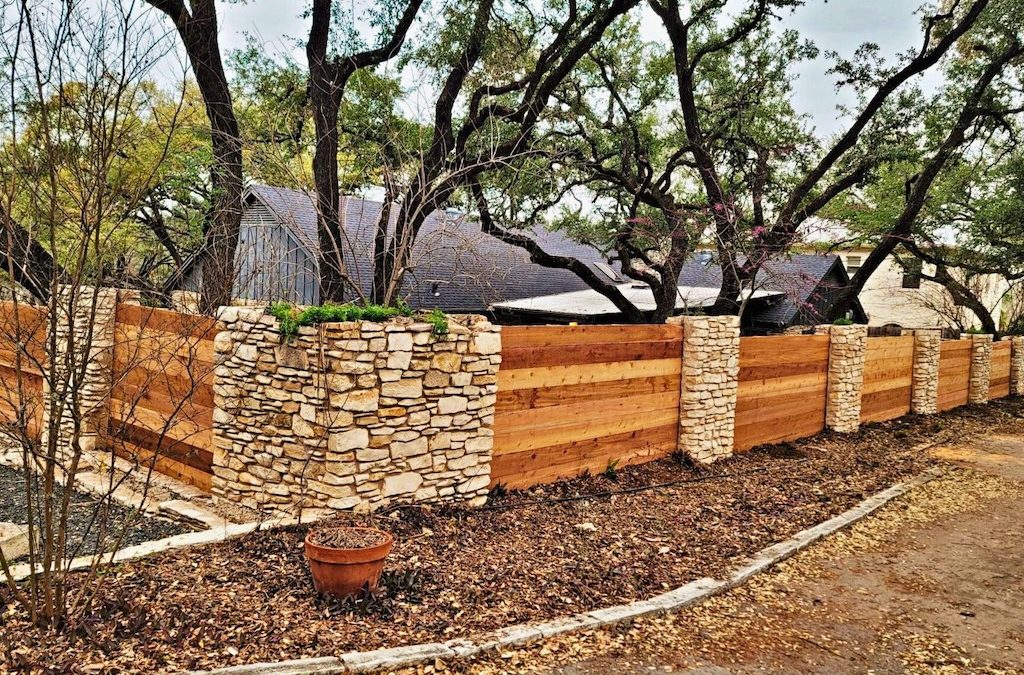
Approval before you build
In most HOA neighborhoods, you can’t just start building a fence, you have to get it approved first. The HOA wants to make sure your fence fits the neighborhood’s standards before it goes up. Skipping this step is risky, since an unapproved fence can be ordered changed or removed, so it’s worth doing right.
The good news is that approval is usually a clear, manageable process once you know the steps. It’s not meant to stop your fence, just to keep the neighborhood consistent. Our Austin fence company helps homeowners through it all the time, and with a little preparation, most requests sail through without a hitch.
Step 1: Read your HOA rules
Start by reading your HOA’s fence rules, usually found in the governing documents, or CCRs. You’re looking for the allowed height, approved materials and styles, color rules, and any placement or setback requirements. This tells you what you’re allowed to build before you plan anything.
Knowing the rules first is what makes the whole process smooth. If you design a fence that already follows every rule, approval becomes a formality. Our guide on what to check first breaks down exactly which rules to look for. Get this right, and you’ve done the hardest part.
Step 2: Design a fence that fits
With the rules in hand, plan a fence that fits within them. Choose a height, material, style, and color that all fall inside what your HOA allows. If you had your heart set on something the rules don’t permit, this is the moment to adjust, before you submit, not after they say no.
This is where working with a fence company that knows HOAs really helps. We can steer you toward designs that meet your neighborhood’s standards while still giving you what you want, so your request lands squarely inside the rules. A fence designed to fit is a fence that gets approved.
Step 3: Prepare your request
Next, put together your approval request, often called an architectural request or ARC application. HOAs typically want the details spelled out: the fence height, the material, the color or finish, the style, and where it’ll sit on your lot. Some ask for a simple drawing or a site plan showing the placement.
The more complete and clear your request, the smoother the review. A vague submission gets questions and delays, while a thorough one gives the committee everything they need to say yes. Include everything they ask for, and double-check it before sending. A little care here saves a lot of back-and-forth later.
Step 4: Submit it the right way
Send your request to whoever handles approvals, usually an architectural review committee or the HOA’s management company. Follow their submission instructions exactly, whether that’s an online form, an email, or a paper application. Submitting it the way they want avoids a request getting lost or bounced.
Keep a copy of everything you send, and note the date. If you don’t hear back in a reasonable time, a polite follow-up is fair. Staying organized and on top of it keeps your request moving instead of sitting in a pile. It’s a small effort that keeps the timeline on track.
Step 5: Wait for the green light
Once submitted, the committee reviews your request against the rules, and this takes some time. How long depends on how often they meet and how busy they are, so build this wait into your plans. Don’t schedule the build or start any work until you have approval in hand, in writing.
This waiting period is exactly why starting early matters, especially in spring when everyone’s building. If your fence also needs a city permit, our guide to getting a fence permit covers that side, and it’s smart to run the two in parallel. Lining them up together keeps your overall timeline as short as possible.
What boards look for
It helps to know what the committee’s actually checking. They want to confirm your fence matches the neighborhood standard: the right height, an approved material and color, an allowed style, and proper placement. If all of that lines up with the rules, there’s little reason for them to say no.
Most denials come from a request that breaks a rule or leaves out key details, both of which are avoidable. That’s why doing your homework up front pays off. A fence designed to the rules and a request that spells everything out is what boards approve, usually without fuss. Give them an easy yes.
A few tips for a smooth yes
A handful of small habits make approval go even more smoothly. Submit early, well before you want to build, so the review timeline isn’t a crunch. Be thorough the first time, since a complete request avoids the back-and-forth that stretches things out. And keep your submission neat and easy for the committee to follow.
It also helps to match your request to what’s already in the neighborhood. If most fences on your street are a certain style and height, a fence in that spirit is an easy approval. You can still personalize within the rules, but staying close to the established look gives the committee an easy reason to say yes.
And if you’re unsure about any rule, ask before you submit rather than guessing. A quick question to the HOA or a fence company that knows these boards clears up doubt and keeps your request clean. The homeowners who breeze through approval are almost always the ones who did that little bit of prep. Approval really comes down to preparation more than anything else. Do the homework, submit early, and the yes tends to follow without any drama at all. In the end, a well-prepared request really is the whole secret to a quick approval, so the little bit of extra care up front is always worth it.
Making approval painless
Put it together and HOA approval is really just preparation. Read the rules, design to fit, submit a complete request, and start early enough to allow for the review. Do that, and the green light tends to come without drama. The homeowners who struggle are usually the ones who skipped a step.
We’re glad to help you through the whole thing for fences across Austin, from designing a fence that fits your HOA to preparing a request that’s ready to approve. For the bigger picture on what your HOA allows, our guide to Austin HOA fence rules is a great companion. Let’s get you approved and building.
Quick Answers
How do I get HOA approval for a fence?
Read your HOA rules, design a fence that fits them, prepare a request with the height, material, color, and placement, submit it to the architectural committee, and wait for written approval before building.
What does an HOA fence request need?
Usually the fence height, material, color or finish, style, and where it’ll sit on your lot, sometimes with a simple drawing or site plan. The more complete and clear it is, the smoother the review.
How long does HOA fence approval take?
It varies with how often the committee meets and how busy they are. Build the wait into your plans, start early, and don’t schedule the build until you have written approval in hand.
Why would an HOA deny my fence?
Most denials come from a request that breaks a rule, like too much height or an unapproved material, or one that leaves out key details. Designing to the rules and submitting a complete request avoids both.
Do I need both HOA approval and a city permit?
Often yes, and they’re separate. It’s smart to run them in parallel, HOA approval for the neighborhood standard and the city permit for code, to keep your overall timeline as short as possible.
Want your fence approved the first time? We’ll help you design and submit it right. We’re fully insured. Call (512) 566-7567 or get a free estimate.