
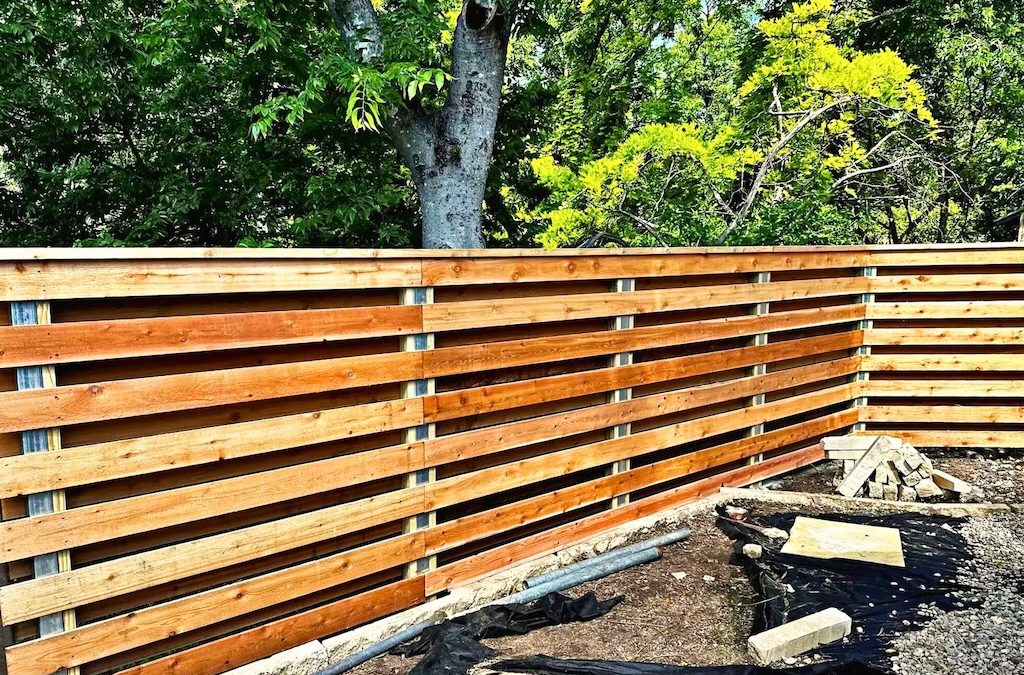
If the fence is yours alone, your neighbor shouldn’t attach things to it without asking you first. It’s your property. If it’s a shared fence right on the line, bigger additions should be agreed on together. Either way, hanging heavy items can damage a fence, so the best move is always a friendly conversation before anything goes up.
It starts with who owns the fence
Whether a neighbor can hang things on the fence comes down to whose fence it is. In Texas, the fence usually belongs to whoever paid to build it. If you paid for it and it sits fully on your side of the line, it’s yours, and what goes on it is your call, not your neighbor’s.
A shared fence is different. When a fence sits right on the property line and both homes paid for or use it, neither neighbor owns it outright. That changes the answer, because now it’s partly theirs too. So the first question to sort out is always simple: who actually owns this fence?
If the fence is yours alone
When the fence is fully yours, your neighbor shouldn’t attach anything to it without checking with you first. That includes planters, hooks, string lights, trellises, or anything screwed or nailed into the boards. It’s your property, and you get to decide what happens to it, plain and simple.
That doesn’t mean you have to say no. Plenty of neighbors are happy to let a nice planter or some lights go up, and that’s totally fine if you’re good with it. The point is that it’s your choice to give, not theirs to take. A quick ask keeps it friendly and keeps you in control of your own fence.
If it is a shared fence
On a shared fence, both neighbors have a stake, so bigger additions really should be agreed on together. One neighbor deciding on their own to mount something heavy on a fence you both own can cause friction, and it can cause damage. A quick conversation before anything goes up keeps everyone on the same page.
Small, harmless things are usually no big deal on a shared fence, but heavier items are worth talking through. The guiding idea is respect: it’s a fence you share, so you make the bigger calls about it together. Our guide to Texas fence laws goes deeper on how shared fences work here.
Why hanging heavy things can be a problem
Beyond who owns it, there’s a practical worry: weight. A fence is built to stand up to wind and hold its own boards, not to carry a heavy planter, a mounted shelf, or a full trellis loaded with vines. Hang enough weight and you can pull boards loose, stress the posts, or make a section start to sag.
Water is the other issue. Planters and dense vines against the wood trap moisture right on the boards, and constant dampness speeds up rot. So even when everyone agrees to it, heavy or moisture-holding items can quietly shorten a fence’s life. It’s worth keeping in mind before anything gets mounted.
What if a neighbor damages your fence?
If a neighbor attaches something to your fence and it causes damage, like cracked boards, screw holes, or a leaning section from the weight, that’s a fair thing to raise. It’s your property, and damage to it is a real cost. Start by pointing it out calmly and showing them what happened.
Most of the time, a neighbor who caused damage will help make it right once they see it, especially if you keep the tone friendly. If a board or post has been harmed, our fence repair service can put it back in shape. The goal is a fixed fence and a decent relationship, not a fight over a plank.
How to handle it without a feud
The best approach to almost any fence-attachment question is the same: talk early and keep it kind. If your neighbor has hung something you’re not okay with, don’t stew on it or rip it down. Go over, mention it plainly, and explain your concern, whether it’s ownership, weight, or moisture. Most people respond well to a straight, friendly ask.
Coming at it as a problem to solve together, rather than an accusation, keeps things civil. If a conversation does get tense, our guide to handling fence disputes walks through how to keep it from escalating. A calm chat settles the large majority of these before they ever become a real issue.
Keeping a good relationship with your neighbor
At the heart of most fence-attachment questions is the relationship with the person next door. A fence sits between two homes for years, and it’s a lot nicer to live beside a neighbor you’re on good terms with. So the way you handle a disagreement about the fence matters as much as who’s technically right about it.
That’s why the friendly, early conversation beats almost every other approach. Ripping down what a neighbor hung, or letting resentment build in silence, tends to make things worse and can turn a small thing into a lasting feud. A calm, direct chat usually clears it up and keeps the peace at the same time.
It also helps to pick your battles. A small planter or a string of lights may not be worth a confrontation if it’s not hurting anything. Saving the conversation for things that actually cause damage or cross a line keeps you from being the neighbor who fusses over everything, which makes the real asks land better when they matter.
If a fence has been damaged and needs work, we handle repairs for homes around Austin, and we’re glad to help you get it back in shape. The goal is always the same: a solid fence and a decent relationship with the folks next door, both of which are a lot easier to keep than to rebuild. A little patience and a friendly tone protect both at once, and they cost you nothing. Years of easy living next door usually start with one calm conversation handled well, so it’s an investment worth making early. The fence and the friendship both tend to last longer for it.
Setting expectations up front
A little clarity early prevents most of these situations entirely. If you’re putting up a new fence, it’s not a bad idea to mention to your neighbor whether it’s yours or shared, and how you’d like things handled. When everyone knows the deal from the start, there’s far less room for a misunderstanding later.
For a shared fence especially, a quick written note on who owns it and how you’ll handle changes can save a lot of confusion, particularly if someone moves. Our Austin fence team is glad to help you plan a fence, and a clear boundary, so ownership and expectations are obvious from day one.
Quick Answers
Can my neighbor hang things on my fence?
If the fence is yours alone, they shouldn’t attach anything without asking you first, since it’s your property. On a shared fence, bigger additions should be agreed on together.
What if my neighbor damages my fence?
That’s a fair thing to raise, since it’s your property. Point it out calmly and show them the damage. Most neighbors help make it right, and a repair can restore the affected boards or posts.
Can I attach things to a shared fence?
Small, harmless items are usually fine, but heavier additions should be agreed on with your neighbor first, since you both have a stake in a shared fence. Weight can also damage it.
How do I ask a neighbor to stop?
Talk early and keep it friendly. Go over, mention it plainly, and explain your concern, whether it’s ownership, weight, or moisture. A calm, direct ask settles most of these without a fight.
Why is hanging heavy things on a fence a problem?
A fence is built to hold its own boards and take wind, not carry heavy planters or trellises. Too much weight can pull boards loose or lean a section, and trapped moisture speeds up rot.
Dealing with a fence a neighbor damaged, or planning a clear boundary? We can help. We’re fully insured. Call (512) 566-7567 or get a free estimate.