
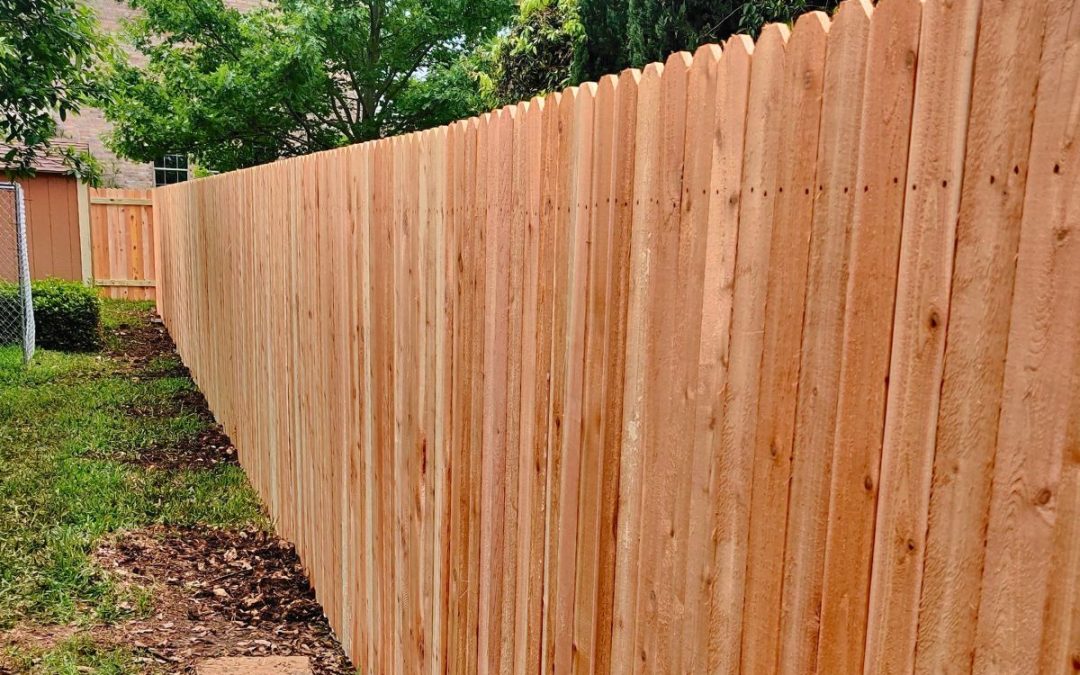
Yes, your neighbor can build a fence on the property line in Texas. But there are rules. The fence has to stay on the line and not cross onto your land. And if it sits right on the line, it’s often shared by both of you. Talking it through first is the best way to keep things friendly and avoid a fight later.
What the property line really means
The property line is the legal edge of your land. Your neighbor owns the ground on one side. You own the ground on the other. A fence can go on your neighbor’s side, on your side, or right on top of the line itself. Where it sits is what decides who owns it and who pays for it.
This trips a lot of people up. Folks assume the fence they can see from their yard is partly theirs. That’s not how it works. Ownership follows who paid for the fence and which side of the line it sits on, not who happens to look at it every day.
When your neighbor builds on their own side
If your neighbor pays for a fence and builds it fully on their own land, it’s their fence. They own it, they maintain it, and they decide when to repair or replace it. You don’t owe a dime toward it, even if you enjoy the privacy it gives you.
The flip side is true too. If you build on your side and pay for it, it’s yours alone. Your neighbor can’t make changes to it, paint it, or attach things to it without asking you first.
When a fence sits right on the line
Things change when a fence goes straight down the middle of the property line. This is often called a shared fence or a division fence. Both homes use it, so both neighbors may share the cost to fix or replace it down the road.
But here’s the key point: Texas law doesn’t force you to pay for a shared fence on its own. You only split the cost if you both agree to. That’s why a simple conversation up front saves so much stress later. Get the plan and the cost-split in writing while everyone’s still friendly.
Can a fence cross onto my land?
No. Your neighbor can’t build past the line and onto your property. If a fence ends up on your side, even by a few inches, that’s called an encroachment, and you have the right to ask for a fix. You don’t have to just live with it.
The only way to know for sure is a property survey. A survey shows the real, legal line. If you’re not certain where your line falls, get one before anyone starts digging post holes. It costs far less than tearing out a fence that landed in the wrong spot. Our guide to Texas fence laws goes deeper on where the line matters most.
How to avoid a fence dispute
Almost every fence problem starts the same way: with a surprise. Your neighbor builds something, and you had no idea it was coming. A short, friendly talk before the work starts fixes that. Tell them your plan, hear theirs, and agree on the details before a single post goes in the ground.
- Tell your neighbor your plan before you build.
- Agree on where the fence goes and who pays for it.
- Check your property survey so the line is clear.
- Put your agreement in writing, even a simple note.
- Hire a fully insured fence company to build it right.
When both neighbors know the plan, there are no surprises, and surprises are what turn into arguments. If a conversation does get tense, our guide to handling fence disputes walks through how to keep it civil. Our Austin fence team builds fences on and near shared lines every week, so we know how to keep the peace.
What about a fence that is already there?
Sometimes the fence is already standing when you move in, and nobody knows who built it or exactly where the line falls. That’s really common, and most of the time it’s fine. If the fence isn’t causing trouble and both neighbors are happy with it, there’s no reason to touch it. The time to get clear on the line and the ownership is when you’re planning to replace it, before the old fence ever comes down.
Old fences drift, too. Over many years, a fence can end up a little off the true line even if it started out straight, especially in our shifting clay soil that nudges posts season after season. If you think that’s happened on your property, a fresh survey settles it fast. When we replace a fence, we build it on the correct surveyed line rather than just where the old one happened to sit.
That keeps everything clean for you and for whoever owns the home next. It also means you’re not quietly passing a boundary problem down the road. A few dollars on a survey now can save a real headache later, and it takes all the guesswork out of where your new fence should go.
What if we still disagree?
If you and your neighbor can’t agree, stay calm and start with the facts. Share your survey so you’re both looking at the real line, not a guess. A surprising number of disputes end right here, once everyone sees where the boundary actually falls.
If that doesn’t settle it, a neutral mediator can help you talk it through without it turning into a feud. Court really is the last resort, and most neighbors never get close to it. We serve homeowners all across Austin, and we’re glad to help you plan a clean fence that respects the line and keeps things easy with the folks next door.
Quick Answers
Can my neighbor build a fence right on the property line?
Yes, as long as it stays on the line and doesn’t cross onto your land. A fence built right on the line is usually treated as a shared fence, used by both homes.
Do I have to pay for my neighbor's fence?
Not unless you agree to. Texas law doesn’t force you to split the cost of a shared fence without an agreement. If your neighbor builds fully on their own side, it’s their cost alone.
What if the fence is on my property?
You have the right to ask for a fix. That’s an encroachment. Check your property survey first, then talk to your neighbor with the real line in hand so the conversation stays factual.
How do I find the property line?
Get a property survey from a land surveyor. It shows the legal edge of your land and helps both neighbors agree on the boundary before any fence goes up.
Can my neighbor attach things to a shared fence?
Since neither of you owns a shared fence alone, bigger changes should be agreed on together. Talk it through before either side hangs anything heavy that could pull it loose.
Planning a fence near a shared line? We’ll walk your yard, check the layout, and keep it clean and simple. We’re fully insured. Call (512) 566-7567 or get a free estimate.